
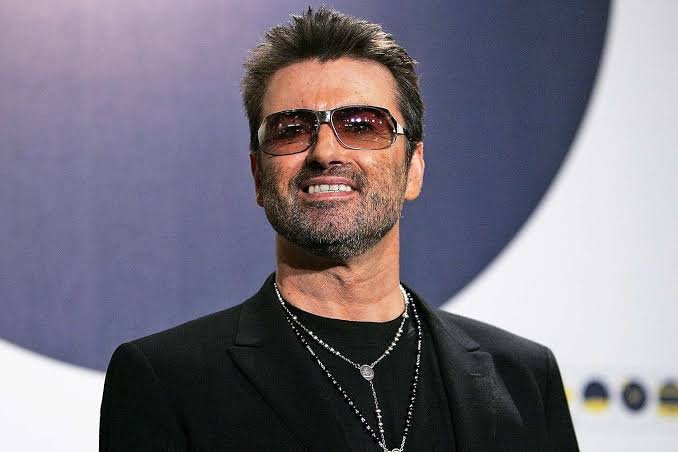
When people search for george michael died, they are often looking for more than a date. They want to understand what happened to one of the most recognizable voices of the 1980s and 1990s, why his death came as such a shock, and what he left behind. George Michael died on December 25, 2016, at his home in Goring, Oxfordshire, at the age of 53. His death was later officially determined to have resulted from natural causes involving heart and liver conditions.
Michael’s passing ended a remarkable career that had transformed him from a young pop star in Wham! into an accomplished singer, songwriter, producer, and solo performer. His music crossed pop, soul, R&B, rock, and dance, allowing him to remain influential long after his biggest commercial successes.
When Did George Michael Die?
George Michael died on December 25, 2016, on Christmas Day. He was 53 years old. His partner, Fadi Fawaz, found him at his home in Goring, Oxfordshire, and emergency services attended the property that afternoon.
The news initially produced uncertainty about the circumstances surrounding his death. Early reports suggested heart failure, but the final medical findings provided a more specific explanation. In March 2017, Darren Salter, the senior coroner for Oxfordshire, announced that the investigation had concluded and that Michael had died from natural causes.
The official findings identified dilated cardiomyopathy with myocarditis and fatty liver. Because the cause was considered natural, the coroner stated that there was no need for an inquest or further investigation.
What Was the Official Cause of Death?
The medical terminology surrounding Michael’s death can sound complicated, but the central finding was a serious heart condition.
Dilated cardiomyopathy involves the heart becoming enlarged and weakened, reducing its ability to pump blood effectively. Myocarditis refers to inflammation of the heart muscle. The postmortem findings also identified fatty liver disease. These conditions were recorded by the coroner as contributing to Michael’s natural death.
It is important to separate the confirmed findings from the speculation that circulated immediately after his passing. The official conclusion was not that his death was unexplained or suspicious. Instead, authorities concluded that the medical evidence established a natural cause.
George Michael’s Rise to Worldwide Fame
Long before people asked why george michael died, millions knew him simply as the voice behind some of the most memorable songs of his generation.
Born Georgios Kyriacos Panayiotou, Michael grew up in England and developed a close friendship with Andrew Ridgeley. Their musical partnership eventually became Wham!, the duo that helped define British pop in the 1980s. The pair achieved international success with songs including “Wake Me Up Before You Go-Go,” “Freedom,” and “Last Christmas.”
The Rock & Roll Hall of Fame describes Michael as an artist whose work combined pop with R&B, soul, rock, and electronic influences. He was inducted into the Hall of Fame in 2023, years after his death, reflecting the enduring importance of his contribution to popular music.
Wham! eventually ended, but Michael’s career was only entering another major phase.
George Michael’s Solo Career
Michael’s transition from Wham! star to solo artist demonstrated that his talent was not dependent on the duo that made him famous.
His 1987 album Faith became a defining release of his career. Songs such as “Faith,” “Father Figure,” and “One More Try” demonstrated his ability to combine commercial pop with more mature songwriting and production.
His later work became increasingly personal. Listen Without Prejudice Vol. 1, released in 1990, moved away from the highly polished celebrity image associated with some of his earlier work. Songs such as “Freedom! ’90” and “Praying for Time” revealed a more reflective side of his writing.
The Rock & Roll Hall of Fame notes that Michael was not simply a vocalist. He was heavily involved in writing, producing, and arranging his music, helping shape the sound of both his solo work and much of Wham!’s catalog.
His Health and Final Years
Michael’s health had occasionally attracted public attention before his death. In 2011, he experienced a severe bout of pneumonia that required intensive medical treatment. However, his final cause of death was determined years later through the postmortem investigation.
After george michael died, various rumors and theories appeared in public discussion. Some were based on earlier reports about his lifestyle or health, while others were simply speculation. The official medical conclusion is the most reliable basis for understanding his death.
The coroner’s statement specifically described the death as natural and identified the heart and liver conditions found during the postmortem examination.
This distinction matters because celebrity deaths can quickly become surrounded by assumptions that are not supported by official evidence.
A Career That Extended Beyond Pop Music
George Michael’s influence was not limited to chart success. He became known for his distinctive voice, songwriting, production skills, and willingness to challenge the expectations surrounding pop stardom.
His performance at the 1992 Freddie Mercury Tribute Concert remains one of the most respected moments of his live career. Michael performed Queen’s “Somebody to Love” in front of a huge Wembley Stadium audience, delivering a performance that later became an important part of his artistic legacy. The Rock & Roll Hall of Fame highlights that appearance as an example of his exceptional vocal ability.
His influence can also be seen in later generations of artists. The Rock & Roll Hall of Fame lists performers including Justin Timberlake, Bruno Mars, Sam Smith, Adele, and Ed Sheeran among artists influenced by his work.
George Michael’s Death and His Legacy
The question of george michael died remains closely connected to discussions about his musical legacy because his death came while his work was still being rediscovered by new audiences.
Michael’s catalog has continued to attract listeners because the themes in his songs remain recognizable: love, loneliness, regret, freedom, fame, identity, and emotional uncertainty. His strongest songs did not depend solely on the musical trends of the period in which they were released.
His legacy also includes his charitable activities and public support for causes that mattered to him. Although his private life often received intense media attention, his professional achievements ultimately provide the clearest explanation for his lasting place in music history.
In 2023, he was formally inducted into the Rock & Roll Hall of Fame. The institution recognized his work as a singer, songwriter, producer, and performer, further establishing his contribution beyond the commercial success of the 1980s.
George Michael’s Funeral
George Michael’s funeral was held in London in March 2017, several months after his death. He was buried at Highgate Cemetery near his mother, Lesley, during a small private ceremony attended by family and close friends.
His family requested privacy and thanked fans around the world for their messages of support. The decision to keep the funeral private reflected the family’s desire to say goodbye away from the intense public attention that had surrounded Michael throughout his career.
Why His Death Still Matters
The continued interest in george michael died is partly a reflection of how strongly his music remains connected to people’s memories.
For fans who grew up with Wham!, his songs can represent an entire period of their lives. For younger listeners, tracks such as “Careless Whisper,” “Faith,” “Freedom! ’90,” and “Last Christmas” continue to introduce Michael’s work to new generations.
His story also demonstrates how a successful pop career can evolve. Michael began as part of an energetic teenage-pop duo, became a major solo star, and eventually developed into an artist who exercised significant creative control over his recordings.
Frequently Asked Questions
When did George Michael die?
George Michael died on December 25, 2016, at his home in Goring, Oxfordshire. He was 53 years old.
What was George Michael’s official cause of death?
The coroner determined that he died from natural causes. The recorded medical findings were dilated cardiomyopathy with myocarditis and fatty liver.
Was George Michael’s death investigated?
Yes. His death was investigated, and a final postmortem report was completed. After a natural cause was confirmed, the coroner said there was no need for an inquest or additional inquiries.
Where was George Michael buried?
George Michael was buried at Highgate Cemetery in London, near the grave of his mother, Lesley. His funeral was a private ceremony attended by family and close friends.
How old was George Michael when he died?
He was 53 years old when he died on Christmas Day in 2016.
Conclusion
When people search george michael died, the answer begins with a simple fact: George Michael died on December 25, 2016, aged 53. The official investigation concluded that his death was from natural causes associated with dilated cardiomyopathy, myocarditis, and fatty liver.
But his story cannot be reduced to the circumstances of his death. George Michael built an extraordinary musical career, first with Wham! and later as a solo artist, creating songs that continue to connect with listeners decades after their release. His induction into the Rock & Roll Hall of Fame in 2023 further recognized the lasting importance of his work.
Ultimately, George Michael’s enduring legacy is found not in the final chapter of his life, but in the music, performances, songwriting, and cultural impact he left behind. For millions of listeners, his voice remains familiar, emotional, and unmistakably his own.
