
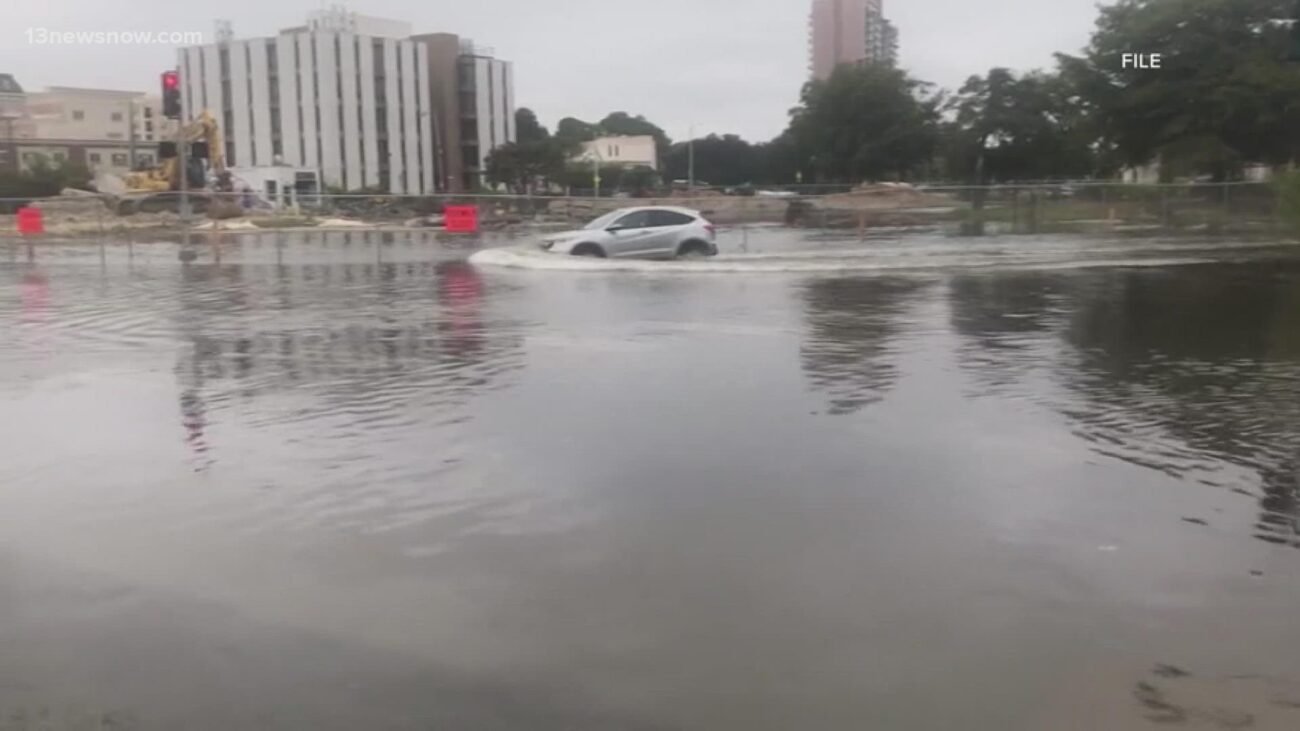
A coastal flood watch is an important weather alert that should never be ignored. It means conditions are becoming favorable for significant coastal flooding, often because of a combination of high tides, storm surge, strong onshore winds, waves, heavy rainfall, or other factors that push water onto normally dry land. Understanding what the alert means can help residents make better decisions before flooding becomes dangerous.
Coastal flooding can affect more than beachfront homes. Roads, bridges, parking areas, businesses, drainage systems, low-lying neighborhoods, and transportation routes can all be vulnerable. In some situations, flooding can develop around the time of high tide even when rainfall is limited. That is why knowing how to interpret a coastal flood watch is an important part of coastal preparedness.
What Is a Coastal Flood Watch?
A coastal flood watch is issued when significant coastal flooding is possible but not yet certain. Weather authorities use watches to give people time to prepare while conditions are still developing.
The exact criteria can vary by location because coastal flooding depends heavily on local geography, tides, shoreline shape, elevation, and expected water levels. In general, a watch indicates that residents should pay close attention to later forecasts and be prepared to act if the situation becomes more serious.
A watch is different from a warning. A coastal flood warning generally means significant flooding is occurring, imminent, or highly likely. An advisory is commonly used for less severe, minor coastal flooding.
The most important message is simple: a watch is a preparation signal. It does not necessarily mean that every neighborhood will flood, but it means the possibility is serious enough to require attention.
Why Coastal Flooding Happens
Coastal flooding can develop for several reasons, and sometimes several causes occur at the same time.
High Tides
High tides can raise water levels enough to flood low-lying coastal areas, particularly where sea levels have increased over time. This type of flooding is sometimes called high-tide or sunny-day flooding because it can occur without a major storm.
When a high tide coincides with unusual winds or elevated ocean levels, the risk can increase significantly. Roads near beaches, bays, tidal rivers, and waterfront communities are often among the first areas affected.
Storm Surge
Storm surge is another major cause of coastal flooding. During hurricanes, tropical storms, nor’easters, and other powerful systems, strong winds can push ocean water toward the shoreline.
The danger can become much greater when storm surge arrives during high tide. In that situation, the existing tidal water level provides a higher starting point, allowing storm-driven water to move farther inland.
Waves can add another layer of danger by pushing water over beaches, dunes, seawalls, and other coastal barriers.
Heavy Rain and Compound Flooding
Rainfall can make coastal flooding more complicated. A coastal community may experience ocean-driven flooding while heavy rain is simultaneously overwhelming drainage systems.
When multiple sources of water affect the same area, flooding can become deeper and last longer. This is especially important in low-lying cities where rainwater has difficulty draining during periods of unusually high coastal water levels.
How Serious Can a Coastal Flood Watch Become?
Not every watch develops into a major disaster. Forecast conditions can change as storms move, winds shift, tides change, or expected water levels are adjusted.
However, coastal flooding can range from relatively minor road flooding to dangerous conditions capable of damaging buildings and infrastructure.
Minor flooding may produce standing water on roads, parking areas, and vulnerable low-lying locations. Moderate flooding can affect homes, businesses, transportation routes, and utilities more seriously. Major flooding can create life-threatening conditions, make roads impassable, isolate communities, and cause substantial property damage.
This is why residents should not judge the seriousness of an event solely by how the weather looks outside. A calm morning does not necessarily mean coastal flooding is no longer possible.
What Residents Should Do During a Watch
When a coastal flood watch is announced, preparation should begin before water starts covering roads.
Residents in vulnerable areas should check the latest official forecast and determine whether their homes, workplaces, or regular travel routes are located in flood-prone zones. Vehicles should be moved away from locations that commonly collect water, particularly low-lying streets and waterfront parking areas.
Outdoor objects should also be secured. Items such as furniture, tools, containers, decorations, and lightweight equipment can be moved or damaged by rising water and strong winds.
It is also sensible to charge phones and other essential devices before conditions deteriorate. Important documents, medications, emergency supplies, and other necessities should be kept in locations where rising water is less likely to damage them.
Most importantly, people should know alternative routes. A familiar road can become dangerous surprisingly quickly when water begins flowing across it.
Never Drive Through Floodwater
One of the most important safety rules during coastal flooding is to avoid driving through flooded roads.
Water can hide potholes, debris, damaged pavement, open drains, and other hazards. Moving water can also affect vehicle stability even when the water does not appear especially deep.
Drivers should never assume that a road is safe simply because another vehicle has successfully crossed it. Water depth and current strength can change quickly, particularly near drainage channels, bridges, tidal waterways, and low-lying roads.
If authorities close a road, drivers should respect the closure rather than searching for a way around it.
How Sea-Level Rise Changes the Risk
Long-term changes in sea level are also important when discussing coastal flooding. As relative sea levels rise, water does not need to rise as dramatically above today’s average level to reach vulnerable land.
NOAA explains that high-tide flooding is becoming more common in many coastal communities because of rising sea levels, land subsidence, and changes to natural coastal barriers. This means locations that previously flooded only during strong storms can become vulnerable during less extreme conditions.
Sea-level rise does not produce the same effect everywhere. Local land movement, geography, tides, currents, and shoreline characteristics all influence the actual risk.
For residents, the practical lesson is that historical experience alone may not always provide a complete picture of future flooding risk.
How to Follow a Coastal Flood Watch
During a coastal flood watch, people should continue monitoring official forecasts because the situation can change.
Pay particular attention to updates involving expected water levels, timing of high tide, storm movement, wind direction, road closures, evacuation instructions, and changes from a watch to a warning.
It is also important to understand the difference between a general weather forecast and a location-specific coastal flood forecast. A community may experience serious flooding even when nearby areas remain relatively unaffected.
Local emergency management agencies and official weather authorities are generally the best sources for instructions during an active flooding threat.
What Businesses and Property Owners Should Consider
Coastal flooding can create serious problems for businesses located near the shoreline. Owners and managers should consider how water could affect entrances, electrical equipment, storage areas, vehicles, inventory, and essential machinery.
Businesses can also review emergency communication procedures before flood conditions develop. Employees should know whether they are expected to report to work, remain home, or leave early if transportation becomes unsafe.
Property owners may benefit from longer-term measures such as improving drainage, elevating vulnerable equipment, maintaining flood barriers, and reviewing insurance coverage.
Preparation is especially valuable for properties that have experienced repeated flooding because recurring events can gradually damage foundations, roads, utilities, and other infrastructure.
Why Timing Matters
Timing is one of the most important elements of coastal flooding.
A storm does not have to reach its strongest point at the shoreline for flooding to occur. Water levels can rise significantly when storm conditions coincide with high tide, persistent onshore winds, or large waves.
This is why forecasts often emphasize the expected time of peak water levels rather than focusing only on the storm’s strongest winds.
Residents should know when the next high tide is expected and understand that flooding can remain dangerous even after the weather system begins moving away.
Frequently Asked Questions
What does a coastal flood watch mean?
A coastal flood watch means significant coastal flooding is possible. Conditions are favorable enough that residents should monitor forecasts and prepare for potential flooding.
Is a coastal flood watch the same as a warning?
No. A watch means flooding is possible, while a warning generally indicates that significant flooding is occurring, imminent, or highly likely.
Can coastal flooding happen without a hurricane?
Yes. High tides, strong onshore winds, nor’easters, persistent waves, heavy rainfall, and other conditions can cause coastal flooding without a hurricane.
Can sunny weather still produce coastal flooding?
Yes. High-tide flooding can occur during otherwise calm and sunny conditions, especially in low-lying areas affected by elevated sea levels.
Should I drive during a coastal flood event?
Avoid flooded roads whenever possible. Water can hide hazards and make driving conditions unpredictable. Follow official road closures and emergency instructions.
Conclusion
A coastal flood watch is more than a routine weather message. It is an early warning that coastal water levels could rise enough to disrupt roads, neighborhoods, businesses, and daily life. The risk may come from high tides, storm surge, waves, rainfall, or several factors working together.
The best response is preparation rather than panic. Monitor official forecasts, protect important belongings, secure property, plan safer travel routes, and never underestimate moving or rising water. Understanding how coastal flooding develops gives families and communities more time to make sensible decisions.
As coastal conditions continue to change, staying informed and preparing before water reaches the streets can make a meaningful difference. A coastal flood watch provides that valuable opportunity to act before a potential flooding event becomes an immediate threat.
