
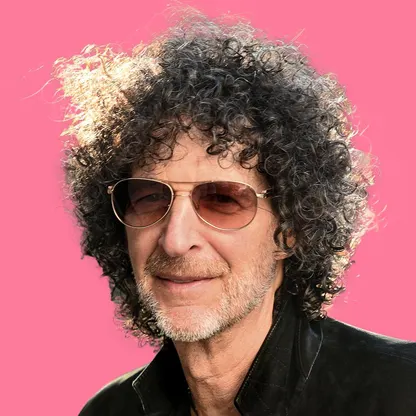
The phrase howard stern blackface continues to draw attention because it connects one of America’s most recognizable radio personalities with a deeply controversial period in entertainment history. Howard Stern became famous for provocative comedy, boundary-pushing interviews, and material designed to shock audiences. During the 1990s, his work frequently crossed lines that generated criticism, regulatory scrutiny, and public debate. Years later, footage showing Stern in blackface resurfaced, bringing renewed attention to his approach to race, comedy, and provocation.
Understanding the controversy requires looking beyond a single clip. Stern’s career was built around deliberately uncomfortable material, but the historical meaning of blackface is much broader than ordinary provocative comedy. It has roots in racist theatrical traditions in the United States, making its use particularly sensitive and consequential.
Who Is Howard Stern?
Howard Stern rose to prominence as a radio personality during the 1980s and 1990s. His unconventional style eventually made him one of the most influential figures in American talk radio. He became known for discussing subjects that traditional broadcasters often avoided, including sexuality, celebrity scandals, personal relationships, and controversial social issues.
By 1993, Stern’s program was reaching a substantial national audience, while his autobiography Private Parts had become a major publishing success. At the same time, his programming was attracting criticism from regulators and commentators who considered portions of his material offensive. Contemporary reporting described Stern as both enormously popular and highly controversial.
That background is important when examining the later howard stern blackface controversy. Stern was already operating within a style of entertainment where shock and discomfort were central elements of the performance.
What Happened With the Blackface Footage?
In 2019, CNN reported on resurfaced footage from a 1994 television appearance in which Stern appeared in blackface and used a racial slur. The material received renewed public attention decades after it was originally recorded. During the discussion, CNN host Don Lemon and commentator W. Kamau Bell examined the footage and debated how it should be understood in the context of Stern’s earlier career.
The incident became part of a broader national conversation about old entertainment footage being rediscovered in an era when audiences were increasingly examining historical material through contemporary understandings of race and representation.
Importantly, the footage was not simply discussed as an isolated joke. Critics pointed to the historical association of blackface with racist caricature and argued that the imagery could not be separated from that history.
Why Is Blackface So Controversial?
Blackface has a particularly painful history in American entertainment. During the 19th and early 20th centuries, performers commonly used dark makeup to portray Black people through exaggerated and degrading stereotypes. These performances helped popularize racist caricatures and were connected to broader systems of discrimination.
That history distinguishes blackface from many other forms of controversial comedy. A comedian can intentionally provoke an audience through offensive language or uncomfortable subjects, but blackface carries a specific cultural history that extends beyond an individual performer or joke.
This context helps explain why the howard stern blackface controversy continued to receive attention long after the original footage was created. For many viewers, the issue was not merely whether Stern intended to shock people. It was also what the imagery represented and how it affected audiences familiar with the history behind it.
Stern’s Shock-Jock Reputation
To understand Stern’s behavior during this period, it is useful to consider the character of his radio career. Stern repeatedly presented himself as someone willing to say things other broadcasters would avoid.
Contemporary profiles described his material as raunchy, confrontational, and intentionally provocative. His program had already faced significant criticism and Federal Communications Commission action over indecent material. By the early 1990s, his public identity was strongly connected with pushing boundaries.
Stern himself often characterized his approach as comedy rather than personal attacks. In later interviews, he described his earlier work as part of a period when he was deliberately trying to create an unrestricted radio personality.
That explanation provides historical context, but it does not erase the separate cultural significance of blackface.
The 2019 Conversation
The resurfacing of the footage happened at a time when celebrities, politicians, and entertainers were facing renewed scrutiny over old images and performances involving blackface.
During the 2019 CNN discussion, Stern’s earlier use of racial language was also examined. Stern had disputed the characterization that he personally used the N-word frequently, explaining that some of the offensive language heard on his program came from guests, including a person associated with the Ku Klux Klan. CNN’s coverage also highlighted the distinction between Stern’s role as a provocateur and the specific content that appeared in the resurfaced footage.
The discussion demonstrated why historical context matters. Looking at old entertainment through today’s standards can reveal attitudes and practices that were once normalized or tolerated by sections of the entertainment industry. At the same time, understanding the period in which material was produced can help explain why performers made particular choices.
Both facts can exist together.
Did Howard Stern’s Career Change?
Howard Stern’s career changed considerably over time. His later work became increasingly focused on long-form interviews and conversations rather than the purely confrontational radio persona associated with his earlier years.
His public profile also expanded beyond radio. He became a bestselling author, film subject, television personality, and eventually a prominent interviewer of actors, musicians, politicians, and other public figures.
CNN’s earlier profiles of Stern noted that his program evolved significantly over the years, particularly as regulatory pressure and changes in broadcasting affected his work.
This evolution is relevant to discussions about howard stern blackface because the person associated with controversial 1990s material has continued working for decades afterward. His career cannot be reduced to one moment, but that does not mean controversial historical material becomes irrelevant.
Why the Controversy Still Matters
Old celebrity controversies often return when footage, photographs, or interviews are rediscovered online. The Stern case illustrates how the internet can extend the public life of entertainment material long after its original broadcast.
For audiences today, blackface is generally understood through its connection to racist theatrical traditions and harmful stereotypes. As a result, historical footage involving blackface can generate strong reactions even when it comes from a period decades earlier.
The broader lesson is that celebrity history is rarely simple. Public figures can have enormous professional achievements while also having moments that attract serious criticism. Examining both sides provides a more complete understanding than either defending everything or defining an entire career through one controversy.
Howard Stern’s Legacy
Howard Stern remains an influential figure in American broadcasting. His willingness to challenge conventional radio formats helped change expectations surrounding celebrity interviews, personal storytelling, and entertainment programming.
At the same time, his earlier work remains controversial because some of the material went beyond ordinary irreverence. The blackface footage is one example of content that continues to raise questions about the limits of shock comedy and the responsibilities of entertainers with large audiences.
The historical record shows that Stern’s provocative reputation was well established long before the footage resurfaced. Contemporary reporting from the early 1990s documented both his extraordinary popularity and the criticism surrounding his style.
Frequently Asked Questions
What is the Howard Stern blackface controversy?
The howard stern blackface controversy concerns resurfaced footage from 1994 showing Stern wearing blackface and using racially offensive language. The footage received renewed attention in 2019 when CNN discussed it as part of a broader examination of Stern’s provocative early career.
When did the controversial footage come from?
The footage discussed publicly in 2019 dated from 1994. It resurfaced approximately 25 years later, prompting renewed discussion about Stern’s approach to controversial comedy and race.
Why is blackface considered offensive?
Blackface is associated with a long history of racist entertainment in which Black people were represented through exaggerated and degrading stereotypes. Because of that history, its use carries significance beyond an individual comedic performance.
Was Howard Stern known for controversial comedy?
Yes. Stern became nationally known for provocative radio programming and material that frequently generated criticism. Contemporary reporting from the early 1990s documented his large audience, controversial reputation, and disputes involving broadcasting regulators.
Did Stern’s career continue after the controversy?
Yes. Stern continued building a long career in radio and later became particularly recognized for extended celebrity interviews and conversations. His career has developed substantially from the shock-oriented style associated with his earlier broadcasting years.
Conclusion
The story surrounding howard stern blackface is best understood through both the history of Stern’s provocative entertainment style and the much deeper history of blackface in American culture. The 1994 footage resurfaced decades later and renewed discussion about where provocative comedy ends and harmful racial imagery begins.
Howard Stern’s career has lasted for decades, and his influence on radio and celebrity interviews is well documented. Yet his controversial past remains part of that history. Examining the footage, the period in which it was created, and the subsequent public discussion allows audiences to understand the issue without reducing a complicated career to a single moment.
The continuing interest in howard stern blackface ultimately reflects a larger cultural question: how should audiences evaluate old entertainment when standards, awareness, and public conversations about race have changed? Looking carefully at the evidence and historical context provides a more meaningful answer than either ignoring the controversy or viewing it without context.
