
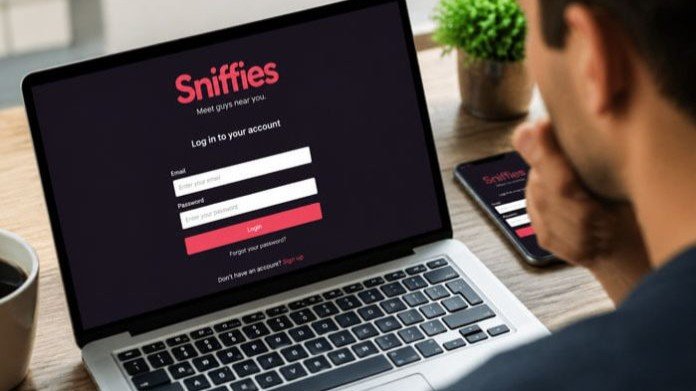
The phrase sniffies account has attracted increasing curiosity online, especially when people connect the platform with discussions about dating, privacy, public figures, and digital identity. However, curiosity can quickly turn into misinformation when anonymous profiles are linked to celebrities without reliable evidence. Understanding how accounts work, what information is genuinely public, and why privacy matters can help users navigate these conversations responsibly.
Sniffies is an online location-based social platform designed primarily for adults. Like many digital services, it allows people to create profiles and interact with others while controlling how much personal information they reveal. For public figures, influencers, and other recognizable individuals, that privacy can be especially important because an ordinary online profile can attract unusual levels of attention.
What Is a Sniffies Account?
A sniffies account refers to a user’s profile on the Sniffies platform. The service is known for its map-based approach to connecting adult users, making location and profile visibility important parts of the experience.
An account may contain information selected by the user, such as a profile name, photographs, descriptions, or other details. The amount of information available can vary depending on the user’s settings and how the platform operates at a particular time.
This distinction is important because seeing a profile does not necessarily mean that the person behind it has publicly identified themselves. Online usernames can be shared, photographs can be copied, and people can deliberately use names that resemble those of well-known individuals.
Why Celebrity Accounts Attract Attention
Celebrity culture has changed dramatically because social media has made public figures feel more accessible than ever. Fans can follow entertainers, athletes, musicians, and influencers throughout their daily lives, creating an expectation that nearly every aspect of their lives should be visible.
That expectation does not extend to private accounts.
When an alleged celebrity profile appears on an adult-oriented platform, online communities may immediately speculate about its owner. Screenshots can spread rapidly, often without any reliable verification. A username, photograph, or description may then be presented as proof even though none of those details necessarily establish someone’s identity.
A responsible approach is therefore to distinguish between a confirmed public account and an alleged account. Unless the individual has publicly confirmed the profile through a trustworthy source, it should not be treated as authentic.
The Problem With Unverified Celebrity Claims
Searching for a sniffies account associated with a celebrity can produce rumors, reposted screenshots, forum discussions, and social media claims. The difficulty is that online material can be misleading even when it appears convincing.
A photograph might belong to somebody else. A username might have been created by a stranger. An impersonator may intentionally use a famous person’s identity to attract attention. Even genuine photographs do not automatically prove that the person shown created a particular profile.
This is why responsible reporting requires more than finding a screenshot and repeating its claims. Strong information should come from verifiable statements, official channels, or credible reporting rather than anonymous posts.
For readers, this principle is useful beyond celebrity stories. It is a good habit whenever an online identity is being connected to a real person.
Privacy Matters More Than Curiosity
Privacy becomes particularly important when discussing adult platforms. People have different reasons for maintaining private or pseudonymous online identities, and those choices deserve consideration.
A public figure may want to separate professional life from personal life. Someone else may simply prefer not to have their private activities connected to their workplace, family, or public social-media accounts.
Revealing or spreading someone’s alleged profile can have serious consequences. It may expose personal information, encourage harassment, or create a permanent digital association that the person never authorized.
The existence of a public-facing profile does not mean every detail connected to that profile should be redistributed. Responsible online behavior involves respecting boundaries even when something appears interesting or controversial.
How to Evaluate a Claimed Account
When encountering a claim about a celebrity and a sniffies account, readers should slow down before accepting it as fact.
The first question is whether the person has personally confirmed the account. A statement from an official social-media profile or another reliable public channel carries considerably more weight than an anonymous comment.
The next consideration is the quality of the evidence. Screenshots alone are weak evidence because they can be edited, taken out of context, or fabricated. Search results can also repeat the same original rumor across dozens of websites, creating the illusion of independent confirmation.
It is also useful to examine whether reputable publications have independently verified the claim. If every article traces back to the same anonymous post, the story has not necessarily been confirmed.
Most importantly, readers should avoid treating speculation as established fact.
Public Figures and Digital Boundaries
Being famous does not eliminate a person’s right to personal boundaries. Celebrities may have public careers, but they remain individuals with private lives.
Actors, musicians, athletes, and influencers often maintain different online identities for different purposes. Some accounts are professional, others are personal, and some may use pseudonyms. That separation can be intentional.
The growth of location-based services makes digital boundaries even more significant. Information about where someone is, where they spend time, or how they interact online can become sensitive when combined with other publicly available information.
For this reason, responsible discussion should focus on verified facts rather than attempting to identify anonymous individuals.
Creating an Account Responsibly
For adults who choose to use the platform, privacy should be considered before creating a sniffies account.
Users should think carefully about the information they place in a profile. A real name, workplace, home address, personal phone number, or other identifying information can make it easier for strangers to connect an online profile with an offline identity.
Strong account security is equally important. A unique password and appropriate privacy settings can reduce unnecessary exposure. Users should also understand the platform’s current policies regarding location information, profile visibility, and account management before using the service.
Another important consideration is photography. Images can reveal more than intended through backgrounds, landmarks, documents, reflections, or recognizable surroundings. Taking a moment to review an image before uploading it can prevent accidental disclosure of personal details.
Avoiding Impersonation and Fake Profiles
Impersonation is one of the biggest reasons celebrity account rumors should be treated carefully.
A fake profile can be surprisingly convincing. Someone may use a celebrity’s public photograph, familiar nickname, or recognizable biography to make the account appear authentic. Other users may then repeat the claim until it becomes difficult to determine where the original information came from.
If an account appears to belong to a famous person, the safest assumption is not that it is genuine but that its identity remains unverified unless there is credible confirmation.
Users should also avoid confronting, exposing, or publicly identifying an alleged account holder based solely on suspicion. Reporting suspicious activity through the platform’s available mechanisms is generally more appropriate than turning the situation into an online investigation.
What Searchers Should Keep in Mind
People searching for sniffies account information may have very different intentions. Some may simply want to understand the platform, while others may be looking for celebrity-related rumors.
Regardless of the reason, reliable information matters.
Search engines can surface content that is popular rather than accurate. A rumor repeated thousands of times can still be a rumor. Likewise, a screenshot that appears on multiple websites may originate from a single unverified source.
Readers should therefore look for context, dates, original statements, and independent confirmation. This approach produces a much clearer understanding than relying on sensational headlines.
Frequently Asked Questions
Is every celebrity Sniffies profile real?
No. An alleged profile should not be considered authentic simply because it uses a celebrity’s name or photograph. Unless the individual has confirmed the account or reliable evidence independently verifies it, the claim remains unconfirmed.
Can someone create a fake celebrity profile?
Yes. Like many online platforms, services can be vulnerable to impersonation or misleading profiles. A person may use another individual’s name or images without permission.
Is it safe to search for a Sniffies account?
Searching for general information about the platform is different from attempting to identify a private individual. Users should avoid sharing personal information, spreading unverified allegations, or attempting to expose anonymous users.
Why are celebrity account rumors so common?
Celebrity names attract attention, and sensational claims can spread rapidly through social media. Once a screenshot or rumor becomes popular, other users may repeat it without checking whether the original claim was ever verified.
Should an alleged celebrity profile be shared online?
It is better not to share or amplify an unverified profile. Doing so can contribute to misinformation, impersonation, harassment, and unwanted exposure of a private individual.
Conclusion
The growing interest in a sniffies account, particularly when celebrities are involved, reflects a wider fascination with the private digital lives of public figures. Yet curiosity should not come at the expense of accuracy or privacy.
A profile using a famous person’s name is not automatically genuine, and a screenshot is not the same as independent verification. The most trustworthy approach is to rely on confirmed information, recognize the difference between public facts and speculation, and avoid turning anonymous online identities into unsupported celebrity stories.
For anyone using or researching the platform, the same principle applies: protect personal information, respect digital boundaries, and think critically before believing or sharing what appears online. In an environment where information can spread within minutes, responsible judgment remains one of the most valuable forms of online protection.
