
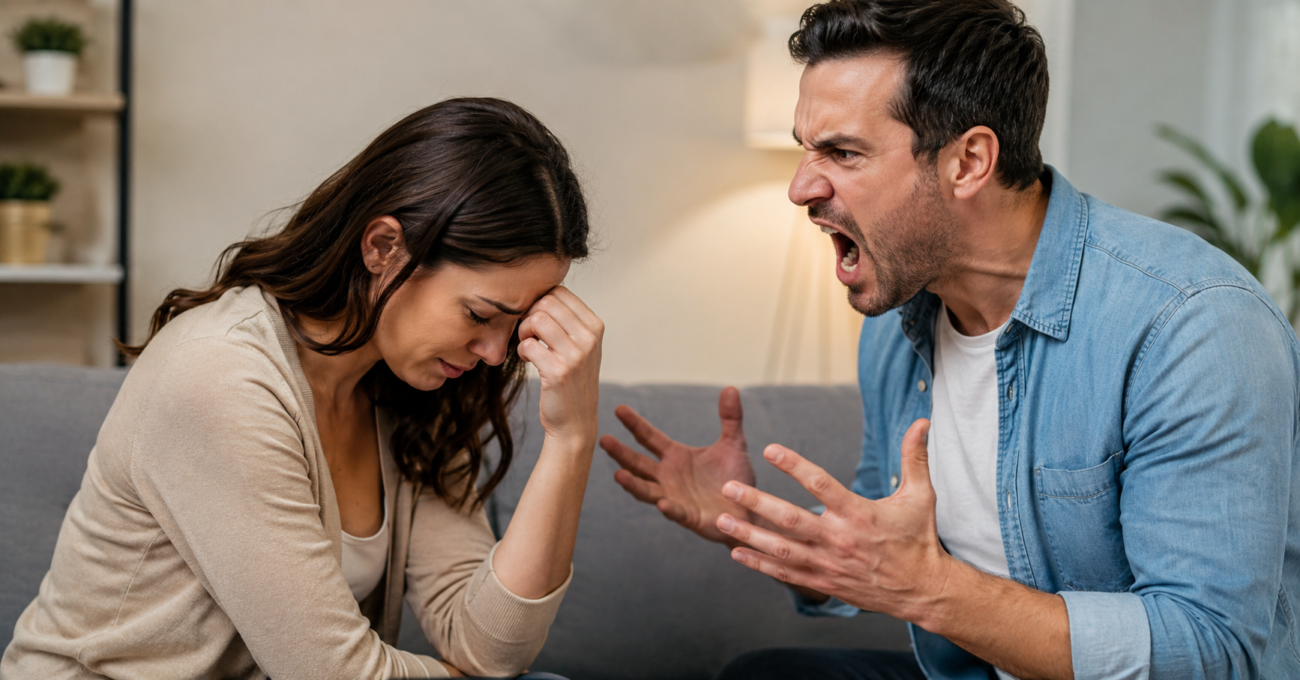
Have you found yourself asking, “why is my husband yelling at me?” If so, you’re not alone. Many people experience periods of conflict in marriage, but frequent yelling can leave you feeling hurt, confused, and emotionally exhausted. While every relationship is different, understanding what may be causing the behavior is the first step toward addressing it in a healthy and constructive way.
Yelling doesn’t automatically mean a marriage is beyond repair, but it should never become a normal or accepted pattern. Healthy relationships are built on respect, communication, and emotional safety. This article explores possible reasons behind yelling, how to respond, when to seek professional help, and how couples can rebuild healthier communication.
Why Does Yelling Happen in Marriage?
Every marriage experiences disagreements. However, the way couples handle those disagreements matters far more than how often they occur. Yelling is usually a sign that emotions have overwhelmed a person’s ability to communicate calmly.
When someone raises their voice repeatedly, it often reflects underlying issues rather than the immediate argument itself. Stress, frustration, unresolved resentment, financial worries, parenting challenges, or poor communication habits may all contribute.
That said, understanding the reasons does not excuse disrespectful behavior. Everyone is responsible for managing their emotions without intimidating or verbally hurting their partner.
Stress Can Change the Way People Communicate
One common reason spouses yell is because they are dealing with overwhelming stress. Pressure from work, financial responsibilities, health concerns, or family obligations can make someone more reactive than usual.
Stress doesn’t create new personalities, but it can amplify existing communication problems. A husband who feels constantly overwhelmed may become impatient or short-tempered, even though the real issue lies elsewhere.
If yelling only appears during particularly stressful periods, it may be worth discussing what pressures each partner is facing rather than focusing only on the arguments themselves.
Unresolved Conflicts Build Over Time
Sometimes yelling is the result of issues that have never been fully resolved.
Small disagreements that are ignored can slowly turn into resentment. Eventually, even minor situations can trigger an emotional reaction because they remind someone of months or years of accumulated frustration.
Healthy couples make time to address problems before they become emotional explosions. Honest conversations, active listening, and mutual understanding can prevent resentment from growing.
Poor Communication Habits
Many people grow up in households where yelling was considered normal. As adults, they may unconsciously repeat those behaviors without realizing how damaging they are.
If your husband struggles to express disappointment, sadness, or fear, anger may become his default emotional response. This doesn’t necessarily mean he wants to hurt you, but it does mean healthier communication skills need to be learned.
Learning to pause before responding, choosing respectful language, and listening without interrupting are skills that can significantly improve marital communication.
When Yelling Becomes a Pattern
If you frequently wonder, “why is my husband yelling at me,” it’s important to notice whether this has become a recurring pattern rather than an occasional disagreement.
Consistent yelling can affect emotional well-being, self-esteem, and the overall health of the relationship. Over time, it may cause one partner to avoid conversations altogether because they fear another confrontation.
No one deserves to feel anxious every time a disagreement begins.
How Yelling Affects Emotional Health
Living in an environment where yelling is common can be emotionally draining.
Many people begin doubting themselves, walking on eggshells, or constantly trying to avoid conflict. Others experience anxiety before conversations because they expect criticism or raised voices.
Emotional safety is just as important as physical safety in a healthy marriage. Respect should remain present even during disagreements.
Choosing the Right Time to Talk
Trying to solve problems while emotions are running high rarely leads to productive conversations.
Instead, wait until both partners have calmed down. Then discuss what happened without placing blame.
Using statements such as “I feel hurt when conversations turn into yelling” often encourages dialogue better than accusations like “You always yell at me.”
The goal should be solving the problem together instead of winning the argument.
Setting Healthy Boundaries
Everyone has the right to establish respectful boundaries within a relationship.
A healthy boundary might sound like this:
“I want to discuss this with you, but I won’t continue the conversation if we’re yelling at each other.”
Boundaries are not punishments. They simply communicate what respectful communication looks like and protect emotional well-being.
Following through consistently helps reinforce those expectations over time.
Looking Beyond the Argument
Sometimes the argument itself isn’t the real issue.
A disagreement about household chores may actually reflect feelings of being unappreciated.
An argument about finances may hide anxiety about the future.
A disagreement over parenting could reveal different expectations or unresolved childhood experiences.
Looking beneath the surface often helps couples solve the actual problem instead of repeatedly arguing about symptoms.
When Professional Support Can Help
There is no shame in seeking professional guidance.
Marriage counselors help couples improve communication, identify unhealthy patterns, and learn practical conflict-resolution skills.
Individual counseling may also help someone who struggles with managing anger or expressing emotions constructively.
Seeking help early often prevents problems from becoming much more difficult to resolve later.
When Yelling Crosses the Line
Occasional arguments happen in many relationships.
However, frequent yelling combined with insults, threats, intimidation, humiliation, or controlling behavior should never be ignored.
Verbal and emotional abuse are serious concerns that can have lasting psychological effects.
If you ever feel unsafe or fear your partner’s reactions, prioritize your safety and consider reaching out to trusted family members, close friends, a licensed mental health professional, or appropriate local support services.
Can Relationships Recover?
Many marriages do recover from unhealthy communication patterns.
Successful change requires commitment from both partners.
The person who yells must acknowledge the impact of their behavior and take responsibility for changing it. The other partner should feel safe expressing concerns without fear of retaliation.
With patience, honest communication, accountability, and consistent effort, many couples learn healthier ways to resolve disagreements.
Progress usually happens gradually rather than overnight.
Building a Stronger Marriage Together
Healthy marriages are not defined by never arguing.
They are defined by how couples handle disagreements.
Listening carefully, speaking respectfully, apologizing sincerely, and working together to solve problems create trust over time.
Every respectful conversation strengthens the relationship, while every hurtful interaction weakens it. Choosing kindness during conflict often has a greater impact than winning the argument itself.
Conclusion
If you’ve been asking yourself, “why is my husband yelling at me,” remember that the answer is rarely simple. Stress, unresolved conflict, communication habits, and emotional struggles may all contribute. Understanding these factors can help you approach the situation with clarity, but it should never mean accepting repeated disrespect.
Every person deserves to be heard with kindness and treated with dignity. Healthy communication can be learned, and many couples improve their relationships through honest conversations, mutual effort, and professional support when needed. If yelling has become frequent or makes you feel unsafe, don’t hesitate to seek help. A healthy marriage should be a place where both partners feel respected, valued, and emotionally secure.
Frequently Asked Questions
Is it normal for husbands to yell during arguments?
Occasional raised voices may happen during intense disagreements, but frequent yelling should not become a normal part of any marriage. Respectful communication is healthier and more effective.
Why is my husband yelling at me over small things?
Small arguments are sometimes triggered by larger issues such as stress, unresolved resentment, financial pressure, or emotional exhaustion. Looking at the bigger picture often helps identify the real cause.
Should I yell back?
Responding with more yelling usually escalates conflict. Waiting until both people are calm often leads to a more productive conversation.
Can marriage counseling help if yelling is common?
Yes. Many couples benefit from counseling because it provides practical communication strategies and helps address deeper relationship issues.
When should I seek outside help?
If yelling becomes frequent, includes insults or threats, or leaves you feeling afraid or emotionally unsafe, it’s important to seek support from trusted people or a qualified professional. No one should have to live in an environment where they feel intimidated or unsafe.
