
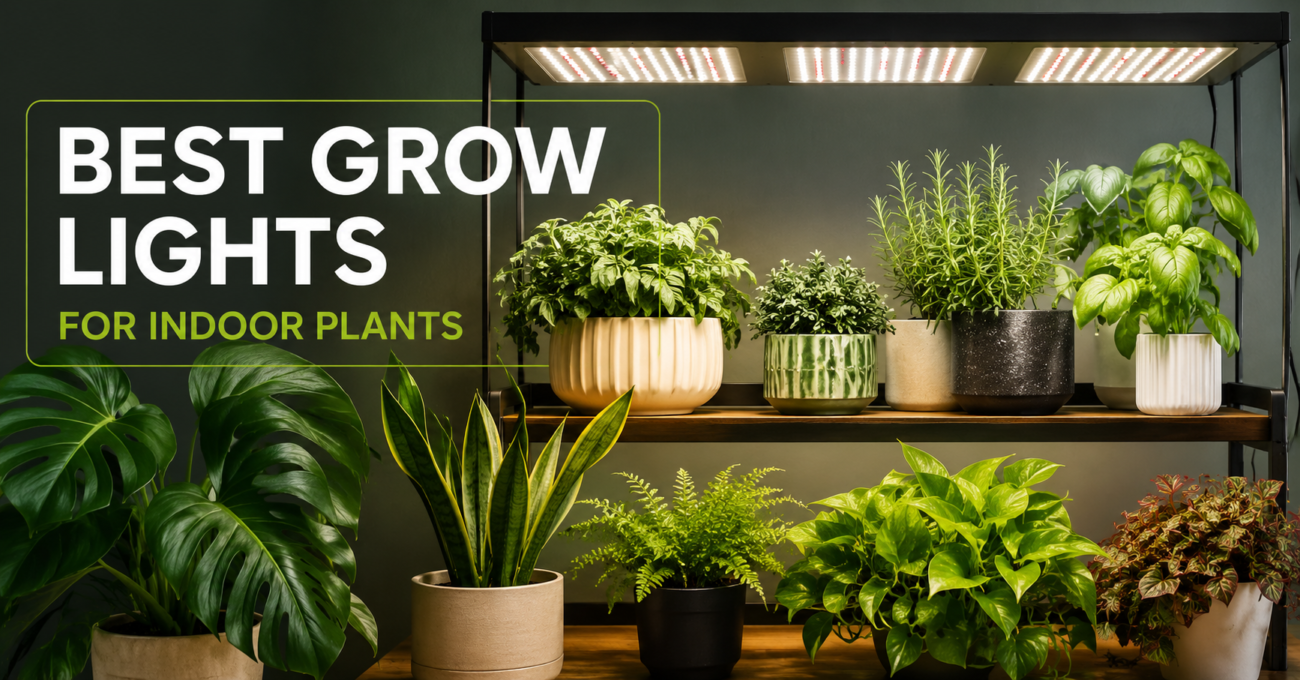
Indoor gardening has become more popular than ever, and choosing the best grow lights for indoor plants is one of the most important decisions you can make. Whether you want lush houseplants, thriving herbs, or colorful flowering plants, the right lighting can make a remarkable difference. Since natural sunlight is not always available, high-quality grow lights provide the energy plants need to grow strong, healthy, and beautiful throughout the year.
Why Grow Lights Matter for Indoor Plants
Many indoor plants struggle because they simply do not receive enough sunlight. Even homes with large windows may not provide the intensity or duration of light needed for consistent growth. This is where grow lights become an essential part of indoor gardening.
Grow lights are specially designed to mimic the natural spectrum of sunlight. They encourage photosynthesis, allowing plants to produce the energy required for healthy leaves, sturdy stems, and vibrant blooms. Whether you live in an apartment or a house with limited sunlight, using the best grow lights for indoor plants can dramatically improve plant health.
Modern grow lights are also energy-efficient, long-lasting, and available in many different styles. They are suitable for beginners who own a few houseplants as well as experienced gardeners managing an extensive indoor collection.
Understanding How Grow Lights Work
Plants rely on specific wavelengths of light to complete photosynthesis. Blue light supports leafy growth, while red light encourages flowering and fruit production. Full-spectrum grow lights combine these wavelengths, closely replicating natural daylight.
Unlike traditional household bulbs, grow lights are designed specifically for plant growth. They produce the correct balance of light while minimizing unnecessary heat, reducing the risk of damaging delicate foliage.
Choosing a full-spectrum LED light is often the easiest solution because it provides balanced lighting for nearly every stage of plant development.
Different Types of Grow Lights
Indoor gardeners have several options when selecting grow lights, each with unique advantages depending on their growing goals.
LED grow lights have become the most popular choice because they consume less electricity, produce very little heat, and last for many years. They are suitable for vegetables, herbs, tropical plants, and flowering species.
Fluorescent grow lights remain a reliable option for seedlings, herbs, and low-light plants. They are affordable and easy to install, making them ideal for beginners.
High-Intensity Discharge lights provide extremely powerful illumination for larger indoor gardens. However, they generate more heat and consume more electricity than LED alternatives, making them less practical for casual indoor gardeners.
For most households, LED technology offers the perfect combination of efficiency, performance, and convenience.
Features to Look for When Buying Grow Lights
Choosing the right grow light involves more than simply selecting the brightest option available.
Light intensity should match the needs of your plants. Succulents and vegetables require stronger lighting than shade-loving tropical plants.
Coverage area is another important consideration. A single light may be sufficient for a small shelf, while larger indoor gardens require wider illumination.
Energy efficiency helps reduce electricity costs over time. LED lights typically provide the highest output while consuming minimal power.
Adjustable brightness settings allow gardeners to customize lighting according to different plant species and growth stages.
Timer functions simplify daily maintenance by automatically turning lights on and off according to a consistent schedule.
These practical features make daily plant care easier while improving long-term plant health.
Best Grow Lights for Indoor Plants: What Makes Them Stand Out
The best grow lights for indoor plants share several important characteristics regardless of brand.
They provide full-spectrum lighting that closely resembles natural sunlight. This allows plants to develop healthy foliage, stronger root systems, and improved flowering.
Quality grow lights distribute light evenly, preventing weak or uneven growth. They also operate quietly without producing excessive heat, making them suitable for bedrooms, offices, kitchens, and living rooms.
Reliable construction is another essential feature. Durable materials and high-quality LEDs ensure years of dependable performance with minimal maintenance.
A good grow light should also be easy to install and adjust, allowing users to position it at the ideal distance from their plants as they mature.
Choosing the Right Grow Light for Different Plants
Different plants have different lighting requirements, so matching the light to the plant is essential for success.
Leafy houseplants such as pothos, philodendrons, and monsteras generally thrive under moderate full-spectrum lighting. They appreciate consistent illumination without excessive intensity.
Succulents and cacti require brighter light because they naturally grow in sunny environments. Positioning stronger LED grow lights closer to these plants helps maintain compact, healthy growth.
Herbs including basil, parsley, cilantro, and mint perform exceptionally well under grow lights. Consistent lighting encourages continuous leaf production throughout the year.
Flowering plants such as orchids, African violets, and begonias benefit from balanced full-spectrum lighting that supports both foliage and blooms.
Understanding your plants’ individual needs helps maximize the effectiveness of the best grow lights for indoor plants.
Proper Placement and Lighting Schedule
Even the highest-quality grow light cannot perform well if it is positioned incorrectly.
Most LED grow lights should be placed several inches above the plants, depending on their brightness and manufacturer recommendations. Lights positioned too far away become less effective, while lights placed too close may stress sensitive plants.
Consistency is equally important. Most indoor plants perform well with approximately twelve to sixteen hours of light each day, followed by a period of darkness for healthy growth cycles.
Using built-in timers ensures plants receive reliable daily lighting without requiring constant attention.
Regularly adjusting the light height as plants grow also maintains consistent illumination across the entire canopy.
Common Mistakes to Avoid
Many indoor gardeners accidentally limit plant growth through simple mistakes that are easy to correct.
Leaving grow lights on continuously may seem beneficial, but plants also require darkness to complete natural biological processes. Constant light can create unnecessary stress.
Using ordinary household bulbs instead of dedicated grow lights often produces disappointing results because standard bulbs lack the appropriate light spectrum.
Ignoring plant distance is another common issue. Light intensity decreases rapidly as distance increases, reducing overall effectiveness.
Finally, purchasing inexpensive, low-quality lights may initially save money but often leads to weaker performance and shorter product life.
Investing in dependable lighting usually provides healthier plants and greater satisfaction over the long term.
Benefits Beyond Plant Growth
The advantages of grow lights extend beyond healthier plants.
Indoor gardening becomes possible throughout every season, regardless of weather conditions. Fresh herbs remain available year-round, tropical plants continue growing during winter, and seedlings can be started earlier for outdoor gardens.
Grow lights also allow homeowners to decorate darker rooms with beautiful greenery that would otherwise struggle to survive.
For many people, caring for indoor plants provides relaxation, reduces stress, and creates a more inviting living environment. Healthy plants contribute to attractive interiors while encouraging a rewarding gardening hobby.
These additional benefits explain why more people continue investing in quality indoor growing equipment.
Maintaining Your Grow Lights
Proper maintenance helps grow lights perform efficiently for many years.
Dust accumulation on light panels can reduce brightness, so cleaning fixtures periodically with a soft cloth helps maintain maximum performance.
Check electrical connections regularly to ensure safe operation, especially if lights are frequently repositioned.
Timers and adjustable arms should also be inspected occasionally to confirm they continue operating smoothly.
Following the manufacturer’s maintenance recommendations extends the life of the lighting system while ensuring plants receive consistent illumination.
Frequently Asked Questions
How many hours should indoor plants stay under grow lights?
Most indoor plants grow well with approximately twelve to sixteen hours of light each day, followed by eight to twelve hours of darkness.
Can grow lights completely replace sunlight?
Yes. High-quality full-spectrum grow lights can successfully replace natural sunlight for many indoor plants when used correctly.
Are LED grow lights safe for indoor use?
Yes. Modern LED grow lights produce minimal heat, consume less electricity, and are considered one of the safest options for home gardening.
Do all indoor plants need grow lights?
No. Plants placed near bright windows may receive enough natural light. Grow lights become beneficial when sunlight is limited or inconsistent.
What is the biggest advantage of the best grow lights for indoor plants?
The biggest advantage is consistent, reliable lighting that supports healthy growth regardless of weather, season, or window placement.
Conclusion
Choosing the best grow lights for indoor plants is one of the smartest investments any indoor gardener can make. Quality lighting helps plants develop stronger roots, greener leaves, healthier stems, and more vibrant flowers, even in spaces with little natural sunlight. By understanding how grow lights work, selecting the right type, and following proper placement and maintenance practices, you can create an indoor garden that flourishes throughout the year. Whether you are growing decorative houseplants, fresh herbs, or flowering favorites, the best grow lights for indoor plants provide the dependable support needed to keep your indoor garden healthy, attractive, and full of life.
